
Introduction — a small scene, a stat, a question
I was in a tiny clinic in Dublin last spring, watching a client smile as their skin calmed under a soft glow — and thinking how many clinics still get the basics wrong. A red light therapy company can change lives, yet only about 35% of practices optimize lamp placement and session dosing (that’s a real gap, sure). The data nudges you: better device design and simple protocol tweaks lift outcomes measurably. So what would you change first — hardware, training, or the very way you explain photobiomodulation to a wary new client? Let’s wander through that, plain as day, and see what actually moves the needle — then we’ll jump into the nuts and bolts.

Why common fixes fail: where the old ways trip up (technical)
best company for red light therapy isn’t just a slogan; it’s the difference between a gadget on a shelf and a system that delivers repeatable results. Many teams lean on prescriptions written for “typical” skin or muscle conditions and assume one-size-fits-all dosing will do. That’s a flaw. In my experience, the real culprits are inconsistent irradiance, poor wavelength calibration, and neglect of pulse modulation—simple engineering oversights that cascade into poor outcomes. We’ve seen LED arrays sold without proper heat management or power converters sized on price rather than stability. The result? Sessions that drift in intensity over months. Look, it’s simpler than you think — start with consistent irradiance readings and record them. — funny how that works, right?
Technically speaking, photobiomodulation responds to dose and timing. If you skip wavelength checks or ignore beam uniformity, you’ll have uneven healing across a treated area. Clinicians then blame patient variability, but often the hardware is at fault. I recommend routine maintenance logs, periodic wavelength calibration and easy-to-follow SOPs so staff aren’t guessing. And yes, invest in a decent irradiance meter — it pays back in fewer complaints and better repeat business. (We’ve kept clients who once struggled by fixing these exact slips — and watching referral numbers climb.)
So what exactly goes wrong?
Looking ahead: future outlook and practical steps
What’s next for clinics and makers is a clearer mix of smart design and user-friendly protocols. I’m thinking small shifts with big effects: integrated irradiance monitoring in the lamp, simpler user interfaces that guide dose based on area size, and training modules that marry physiology with device specs. When I talk to innovators at places like best company for red light therapy, they’re focused on combining reliable hardware with clinical education — and that combo raises standards fast.
Case in point: a mid-size clinic we advised swapped out cheap panels for calibrated LED arrays and standardized session charts. Within three months, patient satisfaction rose and treatment time fell (less wasted minutes fussing over settings). That change was partly technical — better pulse modulation and thermal control — and partly human: clear scripts for technicians. The future will bring smarter sensors and simpler decision-support in the app — and yes, a few intuitive errors will be ironed out along the way. — and yes, that’s not a typo: simplicity is transformative.
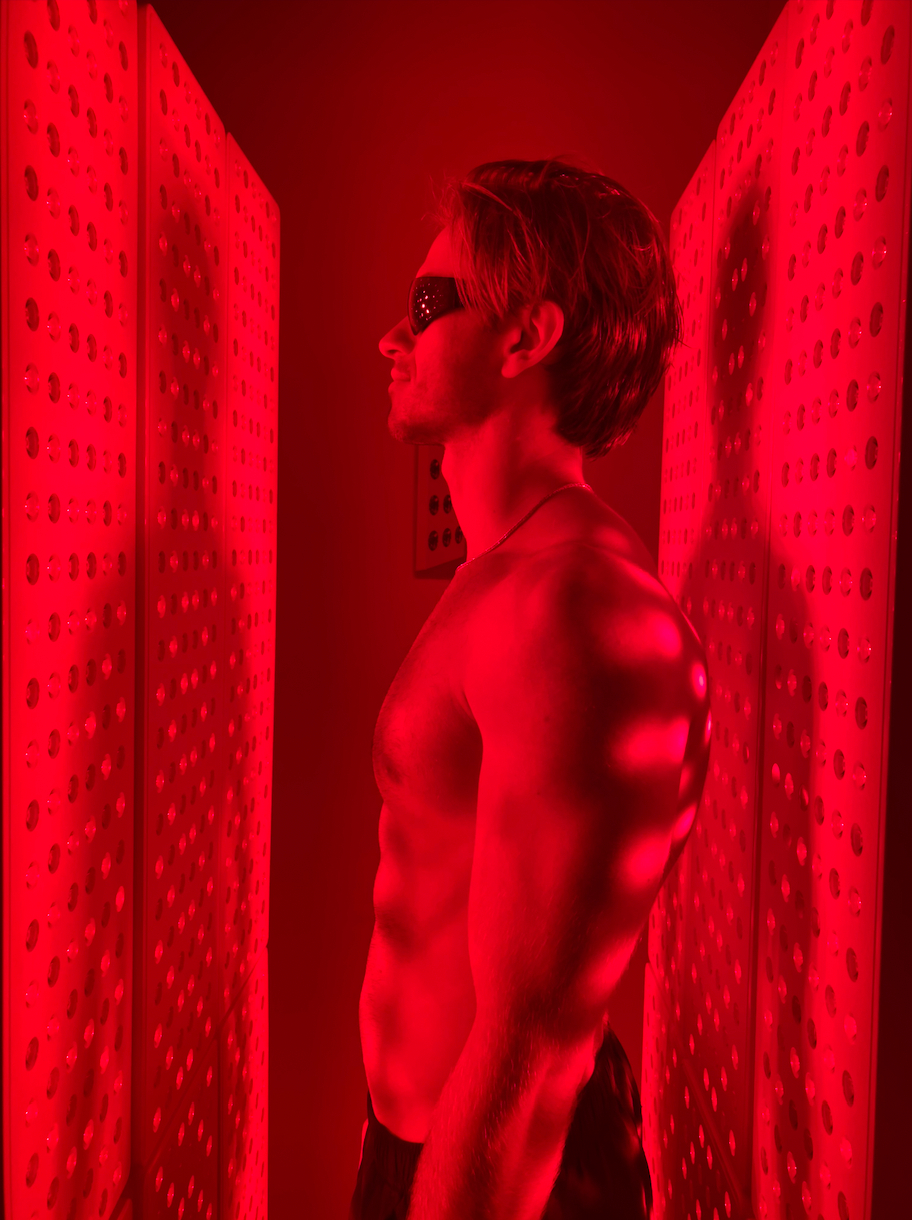
What’s Next?
Closing advice: how to choose and measure better
I’ll leave you with three practical metrics I use when evaluating systems and suppliers. First, measure delivered irradiance across the treatment surface — a lamp that lists power specs but can’t hold them in practice is a red flag. Second, check wavelength stability and calibration procedures; a trusted company documents both. Third, demand accessible training and a simple maintenance plan so staff don’t improvise. These are not fancy; they’re essential. If you assess candidates against these metrics you’ll spot the pretenders quickly.
Choosing the right partner doesn’t require pie-in-the-sky promises. I prefer partners who publish specs, offer hands-on training, and respond fast when we ask for a calibration guide. We’ve learned to favor clarity over hype — it saves money and keeps clients coming back. For those reasons, I keep an eye on firms that combine engineering rigor with plain-speaking support. In that spirit, consider exploring options from Magique Power when you’re ready to upgrade; they’ve been consistent and pragmatic in their approach, and that’s the sort of thing I trust.
 Admin