
Problem: Maintenance, Downtime, and Crop Risk
Growers often face repeated tears, storm damage, and unexpected replacements that cost time and harvests; that pressure is real and deserves a practical fix. If your current covers fail repeatedly under hail, wind, or mechanical strain, consider sourcing a reliable greenhouse film supplier and evaluating reinforced film as a targeted response rather than a blanket upgrade.
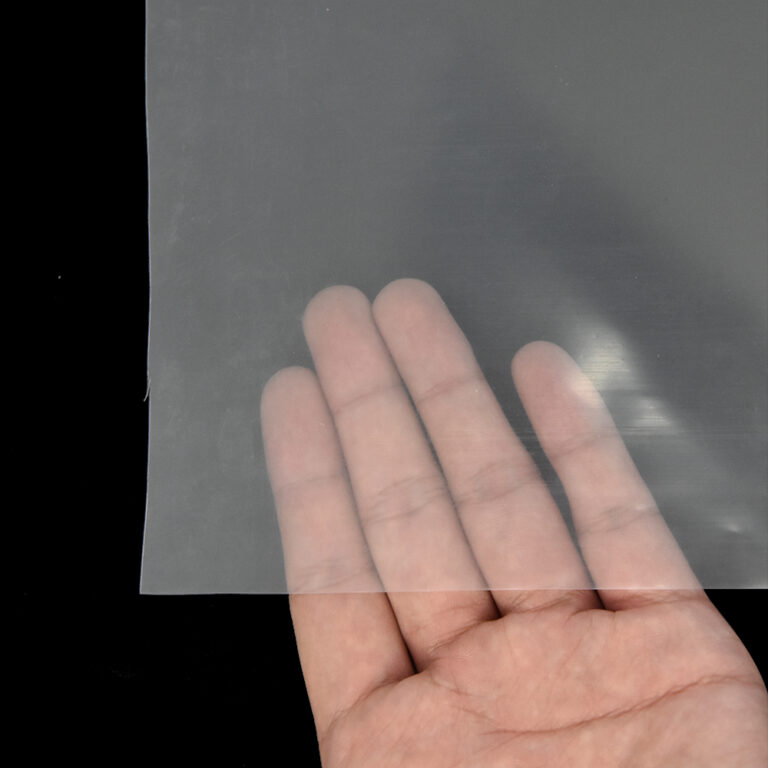
Why a Problem-Driven Approach Matters
Start by diagnosing: is the issue material fatigue, installation strain points, or localized impact damage? Reinforced film addresses specific failure modes—punctures and tears—that standard single-layer films tolerate poorly. Treat reinforcement as a solution to defined problems, not as insurance against every risk.
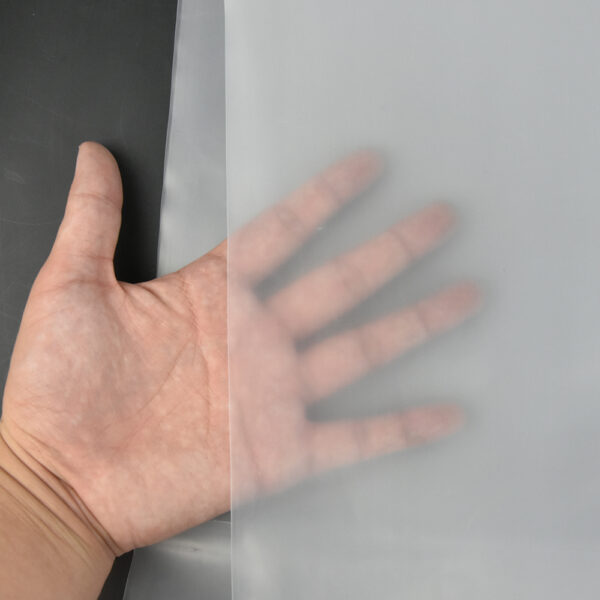
What Reinforced Film Actually Solves
Reinforced films add a structural mesh or woven layer inside the plastic to stop tears from propagating. Expect fewer emergency repairs, longer laps between full replacements, and reduced labour for patching. For greenhouses facing mechanical abrasion, frequent ladder contact, or larger hail events, reinforcement can change outcomes from “repair now” to “monitor only.”
Technical Factors to Check Before Switching
Measure wind-load exposure, typical hail size, and installation method. Confirm UV-stabilizer ratings, tear-strength (ASTM or EN test data), and transmission properties for your crop. Reinforced films can reduce light diffusion or slightly lower total transmitted PAR—verify manufacturer specs against crop sensitivity before committing.
Alternatives and Trade-offs
Consider thicker non-reinforced co-extrusions, polycarbonate panels for fixed sections, or strategic reinforcement—using reinforced film only on the south-facing walls or vents. Thicker film raises material cost; woven reinforcement changes failure mode from sudden tear to slow delamination. Choose the option that targets the diagnosed problem with minimal side effects.
Common Pitfalls and Practical Mistakes
Don’t assume all reinforced films are equal—mistakes include using them where UV degradation is the actual limiter, neglecting edge and fastening detail (where most tears start), and failing to update installation technique for stiffer materials. Over-reinforcement across the entire structure can harm light quality and complicate repairs. Plan for compatible clips and overlaps.
Experience, Evidence, and One Real-World Anchor
Field checks and manufacturer data matter. Growers in Westland, Netherlands, have long documented improved uptime with reinforced solutions under intensive glasshouse operations; that region’s documented practices and studies provide a useful benchmark for temperate, high-intensity production systems. For straightforward specifications and product examples, consult clear greenhouse plastic sheeting as a starting reference and compare measured tear resistance, light transmission, and warranty terms before purchasing.
A Practical Decision Checklist
Ask these questions: Does the problem involve dynamic tearing or localized impacts? Are light transmission and diffusion acceptable with reinforcement? Can your crew handle a slightly heavier, less flexible material during installation? If most answers point to impact and tear issues and you can adapt installation, reinforcement is practical. Otherwise, evaluate targeted fixes or hybrid assemblies.
Final synthesis
When reinforced film directly targets the failure mode you face—repeated tears, hail punctures, or mechanical abrasion—it converts recurring emergency work into predictable maintenance. Used selectively and installed with proper detailing, it delivers real operational value. For reliable supply and technical guidance that aligns material choice with on-farm realities, consider the solutions available through HGDN.
 Admin