
Introduction: A Small Story, a Big Number, and a Question
I once walked into a dawn-lit barn where the hens were already active, and the farmer sighed as he pointed to the lights — he had spent a lot, but the results were mixed. In many such places, led barn lights are installed to save energy and improve poultry comfort, yet real gains often fall short of expectations. Studies show LED retrofits can cut energy use by 40–60% in agriculture, but on-farm performance varies widely (surprising, yes). So why does this happen? I ask this because I want practical answers for people I know — farmers and technicians who deserve clearer solutions. Let us move into what really matters next, step by step.
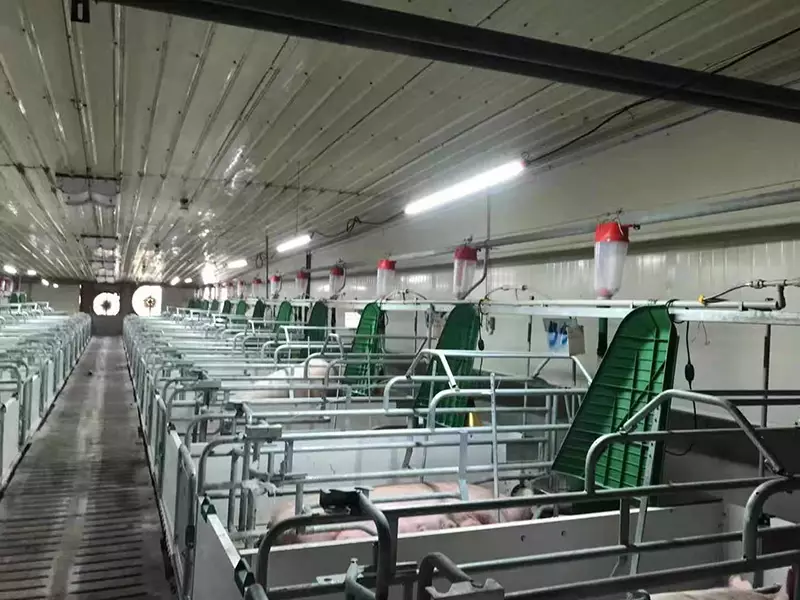
Main Issues with poultry house lighting
First, I will be direct: many systems fail because they focus on headline specs, not the barn. The common pattern is simple — buy for lumen output and ignore color temperature, photoperiod management, or the LED driver quality. In technical terms, poor dimming control and mismatched LED drivers can create flicker or uneven light. I have seen barns where light falls off near the walls, and birds cluster in the middle. This changes behavior and growth rates. Look, it’s simpler than you think — the wrong driver or cheap power converters can undo the whole upgrade. — funny how that works, right? I want you to notice that design details matter: beam angle, mounting height, and sensor placement are not optional. They are part of the system.
What’s wrong under the hood?
Now, let’s get a bit technical to fix the picture. Many older fixtures used ballasts and HID lamps with predictable heat and light patterns. LEDs change that math. Yet, if you pair low-quality LED modules with poor thermal paths, lumen depreciation happens fast. Also, color temperature affects bird activity — cooler light (higher Kelvin) can make birds more active at times you don’t want. Photoperiod management must be precise; otherwise you harm welfare. I have tested setups where edge computing nodes were promised but not correctly configured; sensors gave noisy data, and the control loops failed. In short: component quality (LED driver, power converters), system design (dimming control, beam angle), and control logic (photoperiod management) must all align, or results disappoint. I feel strongly about this because I’ve seen investment wasted when one piece is weak. We will look next at better principles and what to check when choosing a solution.
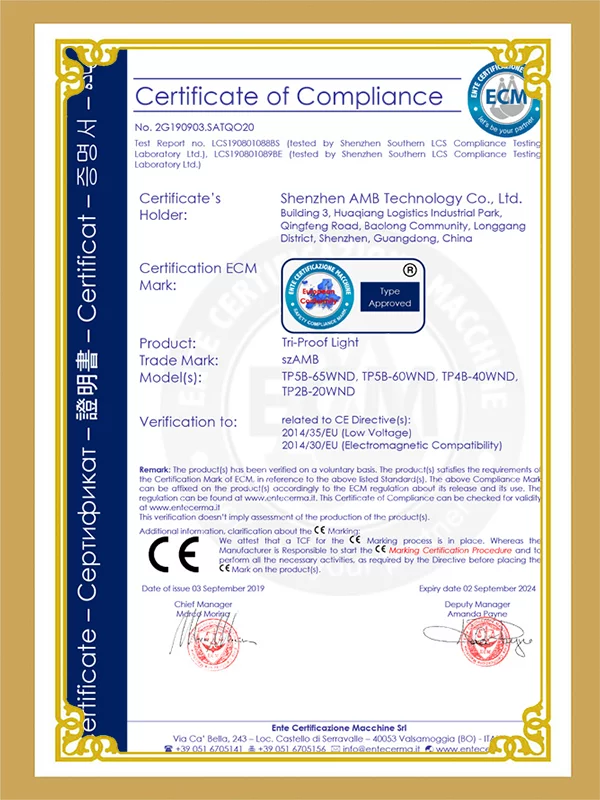
New Technology Principles and a Practical Outlook for Poultry Sites
What’s next is about clear principles. I prefer a semi-formal tone here because the future needs clear rules. First principle: design lighting as a system, not a product. That means pairing quality LED modules with robust LED drivers and reliable power converters, and then testing on-site. Second: use adaptive controls — simple sensors and feedback loops can adjust lumen output and color temperature to match bird needs through the day. Third: monitor performance with basic data logging. You don’t need a fancy cloud if you get steady readings locally (edge computing nodes help). When I advise farmers, I stress these three points because they prevent the most common failures. — sometimes small steps save a lot.
Real-world impact — how to judge new installs
In practice, you should run a short pilot before you convert an entire barn. I’ve seen pilots reveal unexpected issues: glare on metal surfaces, voltage drops across long runs, and sensor blind spots. A pilot exposes them. For a clear assessment, watch feed intake, activity, and uniformity of lighting during the trial. Then compare energy use and bird behavior. I believe a careful pilot paired with a solid control strategy leads to steady gains. So plan, test, and adjust. It is not glamorous, but it works.
Closing Advice: How I Choose and What You Should Measure
I will finish with practical help. Based on what I have described, here are three key evaluation metrics I use and recommend when choosing a solution: 1) System Reliability — track failures of drivers and converters per 1,000 hours; 2) Light Uniformity & Behavior Response — measure lux variance and watch bird distribution; 3) Control Accuracy — test dimming control and photoperiod timing against a reference schedule. These metrics are simple and tell a true story. I prefer them because they link dollars to welfare and productivity. Try them, please. You will see where a system needs tightening. I hope this feels helpful and realistic. — funny how testing is underrated, right? For more details and product support, I often point people to practical suppliers like szAMB, who offer tested modules and guidance. I am happy to answer specific questions about a site you have; just tell me the layout and I will give my take.
 Admin