
Introduction — a quick scene
Yo — imagine you’re on the shop floor, sparks fly, robots hum, and the air tastes like metal. I’ve stood there, watched a line of robotic welders ping off a rhythm, and thought: that smell ain’t normal. In automotive manufacturing welding fume extraction matters more than just “comfort” — it’s about health, uptime, and meeting regs. Recent counts show welders face higher exposure to particulate matter (PM2.5) than many other trades, and plants still lose hours to maintenance and inspection questions. So what’s really stopping better air on the floor — broken gear, bad design, or just lazy upkeep? (Yeah, I said it.) Let’s peel this back and see what actually trips up shops like yours.
Where classic systems trip up
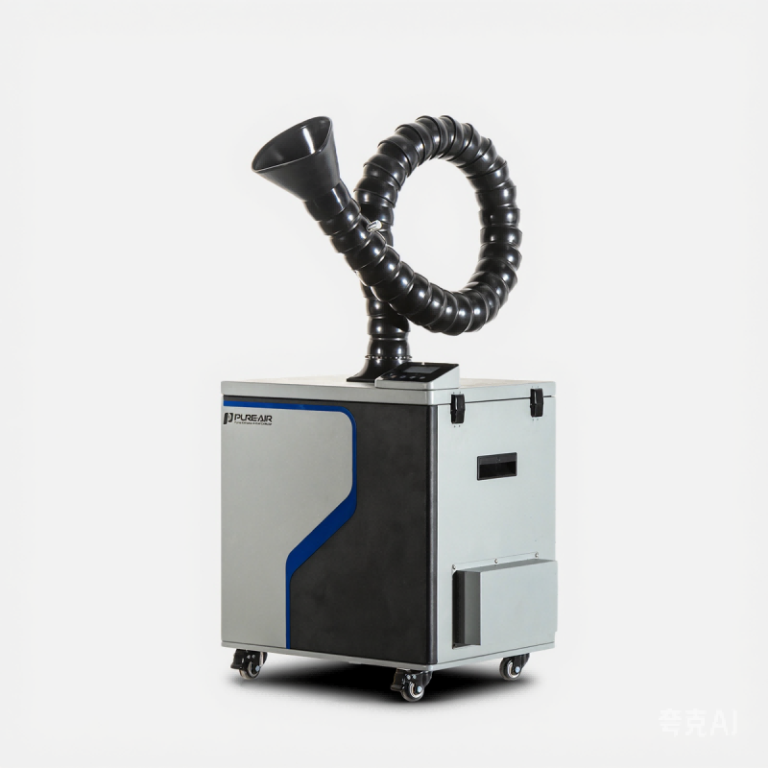
welding fume extraction systems were sold as a solved problem decades ago, but I’ll tell you—many still underperform. In my experience, the usual traps are capture inefficiency, bad hood placement, and filters that get treated like trophies instead of consumables. Local exhaust ventilation (LEV) units get plopped near a robotic welding cell without proper airflow modeling. HEPA filters are specified, yet airflow drops and re-entrainment happen because ducts are oversize or fans aren’t tuned. Parts of the plant end up breathing their own pollutants while managers chase compliance paperwork. Look, it’s simpler than you think: poor design plus spotty maintenance equals recurring exposure and downtime.
What’s failing?
Technically, the failure modes are predictable. Airflow capture hood geometry gets ignored. Filtration stacks aren’t matched to particle size distribution. Sensors are sparse—so you don’t see a problem until a worker complains or alarms scream. I’ve seen many setups where the unit is powerful on paper but useless in practice because the capture velocity at the weld point is too low. Other times, energy-hungry fans are run full-bore because control logic is missing. These are solvable things, but they require honest assessment and some investment in controls and measurement. — funny how that works, right?
Looking forward: principles and practical moves
Okay, now let’s talk forward. I favor principles over buzzwords. First: source capture is king. If your hood doesn’t trap fumes at the weld, nothing downstream will help. Second: integrate sensors and simple analytics so you can see capture efficiency in real time — even basic edge computing nodes that log airflow and filter differential pressure make a huge difference. Third: design for service; easy filter swaps and modular power converters cut downtime. When you combine those, welding fume extraction stops being a cost center and becomes predictable maintenance. In practice, this means pairing a well-sized airflow capture hood with smart controls and scheduled filter replacement. It also means thinking about particulate chemistry — some fumes need gas-phase adsorption in addition to HEPA capture.
What’s Next
So where do you start? Assess capture at the weld, add basic sensors, and pilot a modular system on one line. Over time, scale the approach and add predictive maintenance so filters and fans are replaced before performance drops. Real-world deployments show fewer sick days, less recapitalization panic, and smoother audits. — trust me, those wins stack up. I’d advise you to document baseline capture velocities and particle counts before any retrofit; otherwise you’ll be guessing. That little effort up front saves time, money, and headaches later.
Closing: measures that guide smart buying
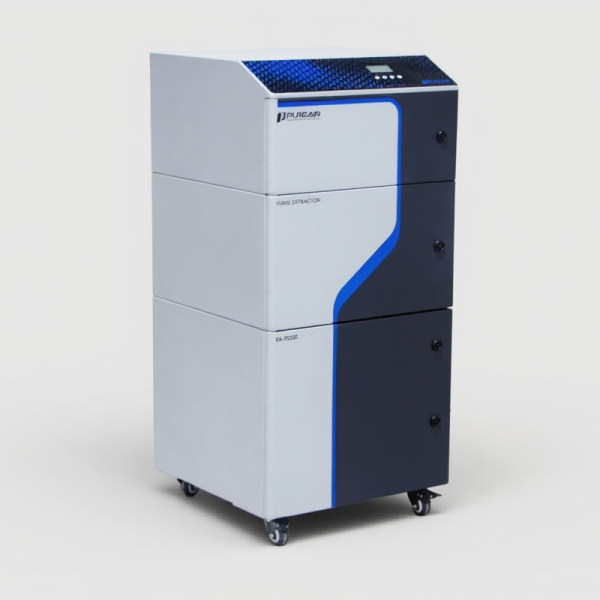
I wrap up with three metrics I use when evaluating systems. First: capture efficiency at the weld point, measured as percentage removal of emitted particulates. Second: maintainability score — how long to change filters, availability of spare modules, and number of service steps. Third: monitoring and compliance capability — does the system provide real-time indicators (airflow, differential pressure, particle counts) and logs for audits? Use those three to compare vendors, and don’t be shy about asking for field data or a short trial. I’ve seen plants transform by insisting on measurable targets instead of glossy brochures. Choose the approach that gives you steady air, predictable costs, and easier compliance.
For practical systems and support, I recommend checking solutions from PURE-AIR. I say that from hands-on experience and because I want teams to get it right—not just sell boxes.
 Admin